Blackjack Side Bets: Why They Tempt You and When to Ignore Them
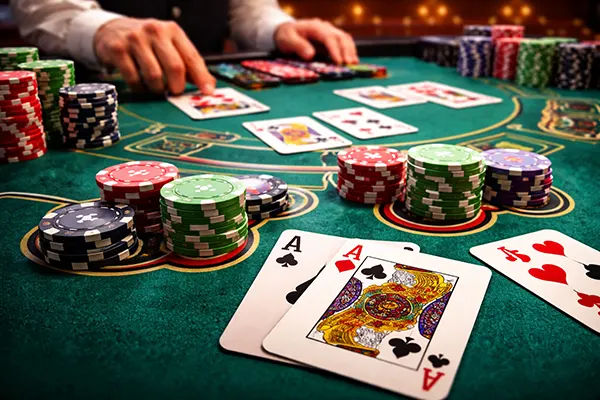
Side bets in blackjack are designed to feel like a small “extra” decision, but they’re really separate wagers with their own maths, their own volatility, and—very often—a much bigger built-in disadvantage than the main hand. That doesn’t automatically make them “bad”; it just means you should treat them as entertainment spend, not as a smart extension of basic strategy. If you know what makes them attractive, how to read the posted pay table, and how they affect your bankroll, you can decide calmly when to play them and when to leave them alone.
Why side bets feel so attractive in the first place
The first hook is simple: blackjack can be played “correctly” for long stretches with very little drama. Side bets add instant outcomes—win or lose, resolved on the first two cards (or the dealer upcard), with payouts that look impressive on the felt. That quick resolution creates a slot-like rhythm inside a table game: lots of small losses punctuated by the occasional loud win.
The second hook is psychological. A side bet often piggybacks on moments you already care about. If you’re dealt two suited cards, or you see a queen, or you’ve got a strong starting total, it feels natural to “press your luck” with a small extra chip. Casinos lean into this by naming bets after hands players recognise (pairs, poker-style combos, “lucky” twenties), so your brain reads the wager as familiar and winnable—even when the hit rate is low.
The third hook is social. Side bets create shared mini-stories at the table: someone hits a big payout on 21+3, another lands a premium Perfect Pairs result, and suddenly the whole table is watching those circles as much as the main betting spot. That atmosphere can be fun, but it also nudges people into copying bets without checking the cost.
What side bets actually are (and what they are not)
A side bet is not a “boost” to your blackjack hand, and it doesn’t improve your expected return on the main game. It is a separate gamble that usually ignores your later decisions (hit/stand/double/split) and is priced independently by the house. In practice, you’re running two games at once: blackjack, plus a small high-volatility proposition bet.
Because side bets are independent wagers, they can have wildly different house edges depending on the rules, number of decks, and—most importantly—the posted pay table. Two tables can offer a bet with the same name but very different value. If you don’t read the pay table, you’re effectively betting blind.
Finally, side bets often feel “cheap” because the minimum is low (sometimes £1). But expected loss is proportional to amount wagered over time. A £1 side bet repeated 200 times is not small; it’s £200 cycled through a wager that is frequently priced far worse than the main hand.
The maths that matters: house edge, pay tables, and volatility
If you play a decent blackjack game with correct basic strategy, the casino advantage on the main hand can be well under 1% in many common rule sets. Side bets, by contrast, are commonly priced in the mid-to-high single digits or worse. The difference is not subtle: it changes how fast you burn through a bankroll.
Take 21+3 as a clear example. Depending on the version and pay table, published analyses show house edges that can sit around 3–8% in some setups, but can also jump well above 10% in “xtreme” versions. The name stays the same; the cost to the player does not.
Perfect Pairs shows the same issue. A version analysed for multi-deck shoes can carry a double-digit house edge in typical conditions. That doesn’t mean you’ll never win—it means that, over enough wagers, the bet is expected to return less per pound than the main game, and the swings will feel sharper because wins are relatively infrequent compared with the size of the payouts.
Real-world examples you can use in 2026
21+3 is often marketed as “blackjack meets poker”: your two cards plus the dealer upcard form poker-style hands (flush, straight, three of a kind, straight flush). In one widely used “Version 3” style pay table, published calculations show the house edge varies by deck count and can be a few percent in some shoes, but meaningfully higher in others. The practical takeaway is simple: the same bet can be merely expensive or extremely expensive depending on the table you’re sitting at.
Lucky Ladies is a perfect illustration of how pay tables change everything. With one common pay table in a six-deck game, published analysis shows a house edge of 24.71%—a very steep price for the occasional big headline payout. Other pay tables for the same side bet can be far less punishing, which is exactly why you should never judge it by name alone.
Perfect Pairs also depends on the rules and number of decks. In a published multi-deck analysis, a six-deck setup is shown with a 12.54% house edge for that version—again, far higher than most reasonable blackjack main games. If you enjoy the sweat, stake tiny and treat it like buying a bit of extra theatre, not like making a smart investment.
When it makes sense to skip side bets (and the rare times you might play)
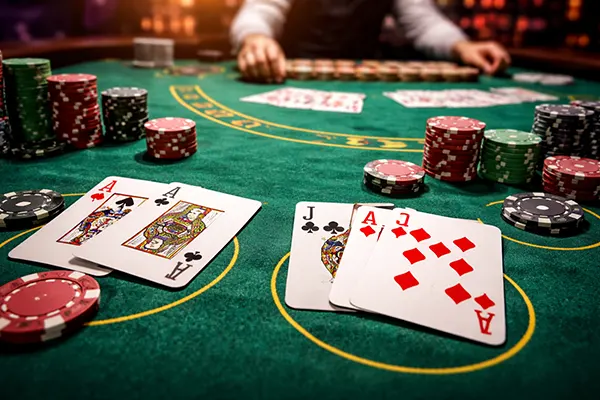
The simplest reason to skip a side bet is that you’re trying to play blackjack “for value”: stretching your session, keeping variance manageable, and making the most of good rules and correct decisions. In that mindset, side bets work against you because they increase the overall disadvantage and amplify swings. Even a small side bet can dominate your results if you place it often enough.
Another strong reason to skip is when the table is already unfriendly. If the main game is 6:5 blackjack, has restrictive doubling rules, or uses a continuous shuffling machine that kills penetration, you’re already paying extra for the core product. Adding high-edge side bets on top is usually how a budget session turns into a quick exit.
The rare time a side bet can make sense is when you treat it as controlled entertainment and you’re disciplined about frequency and stake. For example: you decide in advance you’ll place a £1 side bet only on a special occasion (first 10 hands, or only once per shoe), you accept the likely loss as the price of fun, and you don’t chase it when it misses. That approach keeps the “cost of excitement” predictable.
A practical “ignore or play” checklist you can use at the table
First, read the pay table and ask one blunt question: “What’s the worst-case price here?” If the bet has multiple versions (21+3 and Lucky Ladies often do), assume the expensive one until you confirm otherwise. If the casino won’t show the pay table clearly, that’s a strong reason to pass.
Second, set a side-bet budget that is separate from your blackjack stake. A simple rule that works in real sessions: if you wouldn’t be happy setting that money on fire for the sake of a bit of table drama, don’t put it on the side circle. And if you do play, keep the stake flat—raising it after losses is exactly how high-volatility bets get ugly.
Third, watch your own triggers. Side bets are built to exploit “near-miss” thinking: you saw two suited cards, you missed one rank, the dealer upcard looked perfect—so you feel you were “close”. You weren’t close in any meaningful way; each hand is a fresh draw. If you notice yourself placing side bets because you’re irritated, bored, or trying to get even, that’s your signal to stop entirely for the session.